

Liquid nitrogen, (also referred to as LN2) is a cryogenic liquid commonly used in labs. In biology research settings its primary use is for preserving biological materials such as tissue samples and cells. This is a critical application in many research settings, which means if you work in a biology lab you are probably going to have to handle liquid nitrogen at some point.
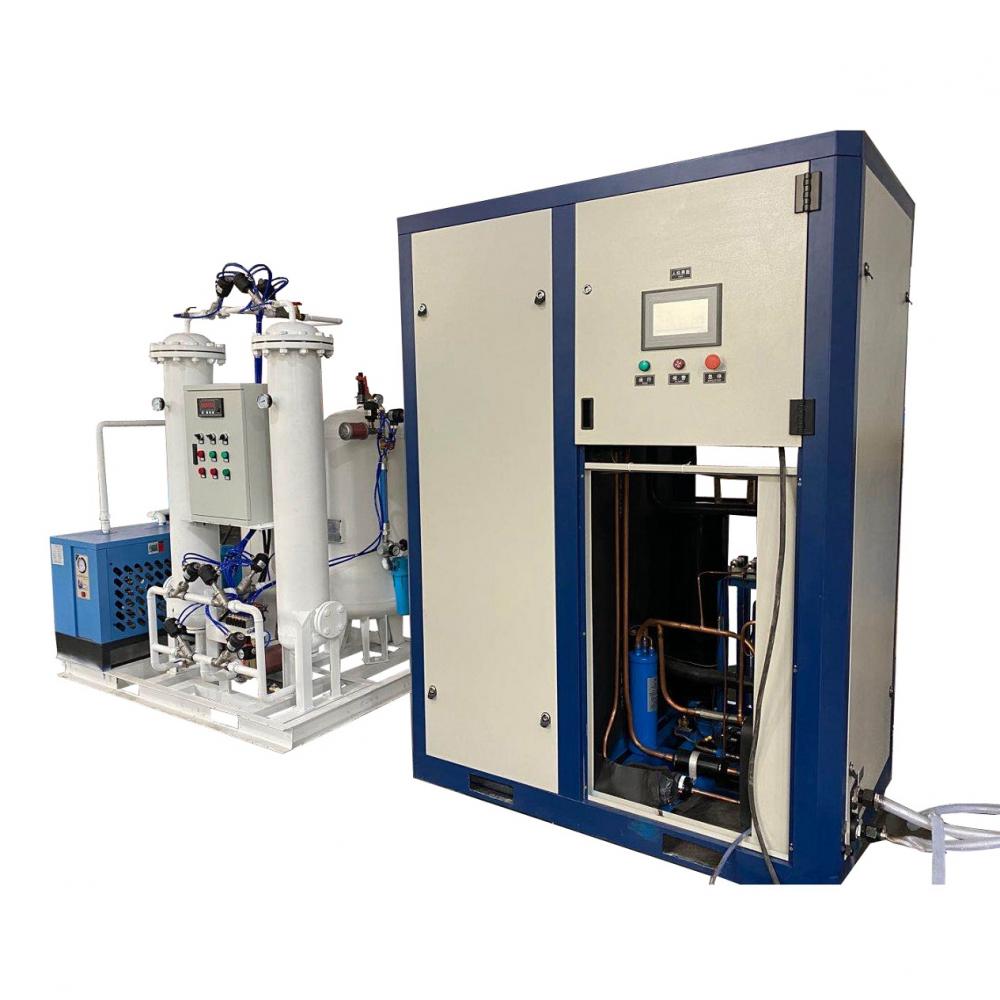
What I want to share today is about liquid nitrogen danger.

Liquid Nitrogen Dangers
(1)It`s Extremely Cold
The boiling point of liquid nitrogen is -196ºC and it freezes at -210ºC. Between these values, liquid nitrogen is in the liquid state. The extreme cold of this liquid means that contact with bare skin can result in cold burns, cell damage, and life-changing injuries such as retinal detachment in a person`s eye. Liquid nitrogen can also cause common materials such as plastic, carbon steel, and rubber to fatigue and eventually fracture.
(2)It`s an Asphyxiant
One of the most dangerous properties of liquid nitrogen is its capability to vaporize into a large volume of gas. The liquid-to-gas expansion ratio is 1:694 at 20ºC, meaning that just 1 L of liquid nitrogen can expand to 694 L of gas.
If enough liquid vaporizes in a confined space, the air can be displaced resulting in an oxygen deficiency.
The reduced oxygen concentration can quickly result in feeling dizzy and render you unconscious with little warning, as nitrogen gas is colorless, odorless, and tasteless.
This is why areas where liquid nitrogen is stored and handled should have appropriate oxygen sensors that alarm when the oxygen concentration falls.
(3)It Can Cause Explosions
The large expansion ratio also means that if liquid nitrogen vaporizes in a confined space with no escape, the pressure buildup can result in an explosion. Therefore, liquid nitrogen storage equipment should have appropriate pressure-relief devices.